Written by Teresa Fraraccio, author of Down in the Shed
Folk Dance Resource
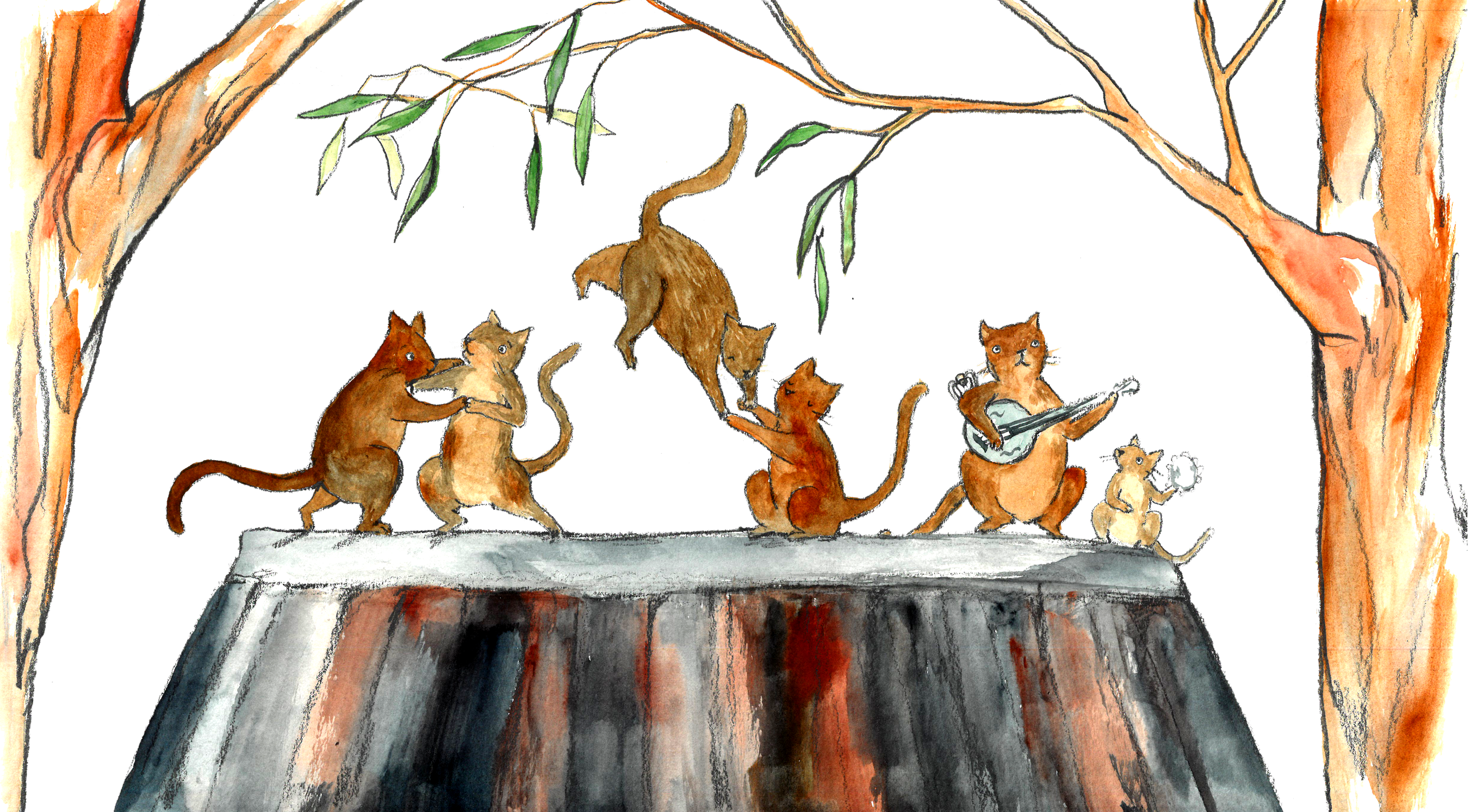
Dance is such an important part of every culture.
We dance when we are happy and full of energy, we dance to mark celebrations or tell important stories and sometimes we dance just for fun! Some children express themselves through dance even before they can walk (Grace certainly did!).
Today, neuro scientists can explain the amazing things that happen in our brains when we participate in dance and the ‘feel good’ hormones that are released. Dancing (like all participation in music) is good for you. All around the world and over time, dances evolve, change names and all sorts of variations occur – that’s all part of the living breathing nature of music.
I first heard and danced to The Queensland Backstop way back in the 1980s, but its roots go way back – at least a hundred and fifty years earlier. When immigrants from English, Irish, Scottish and Welsh backgrounds arrived in Australia they brought their music, language, arts and culture with them – making Australia a melting pot of ideas, songs and sound. In the 1970s and 80s there was a resurgence of interest in folk music. They say that people would walk all day to get to a bush dance and stay until daybreak so they could see their way back to their homes or camps. It was a time when story telling, poetry, singing and dance were the main forms of entertainment – a way to make friends and relax from the hard work of shearing or cattle management or mining for gold.
I learnt these dance steps from The Bushwackers one of the best folk groups in Australia at the time. They released albums and books of music which were then used in schools and community groups throughout Australia. The names of certain dances may have changed but the kinds of steps, technique and form of the dances remained similar.
Bush dancing is for everyone! The steps are often simple and easy to remember. Sometimes a ‘caller’ would remind people what step was coming next. They are fun, inclusive and bring people together.
Are you ready to learn these steps to dance and sing your way through Down in the Shed?
-
This dance works well with a group of 16 people (8 pairs/couples) but you can try it with a smaller group.
-
Dancers form two straight lines, with each couple facing a partner opposite them.
Lines should be 2.5 metres apart.
-
It’s best to count to 4 or 8 when doing this dance to keep everyone on time.
-
Have fun! Try imagining Joey and Jo dancing with the kangaroos, possum and spiders while you dance along.
Both lines take 4 steps in towards their partner and bow, then, walking backwards, go to their original place (count 4 steps in, then 4 steps out).
Both lines move towards their partners again but this time take the place of their partner on the opposite line (count to 8).
Repeat the above two moves until everyone is back in their original spot.
Next, each couple swings their partner for 8 beats.
Quickly, everyone steps back into their original places in their lines while the ‘top’ couple (the couple at one end of the line) hold hands and ‘gallop’ down the centre of the space to the end and stay there.*
The dance starts again and continues until every couple has a chance to dance down the centre!
*Don’t forget to all shuffle along to allow for the line of dancers to have room to go down the aisle or they will end up out the door of your room or hall!
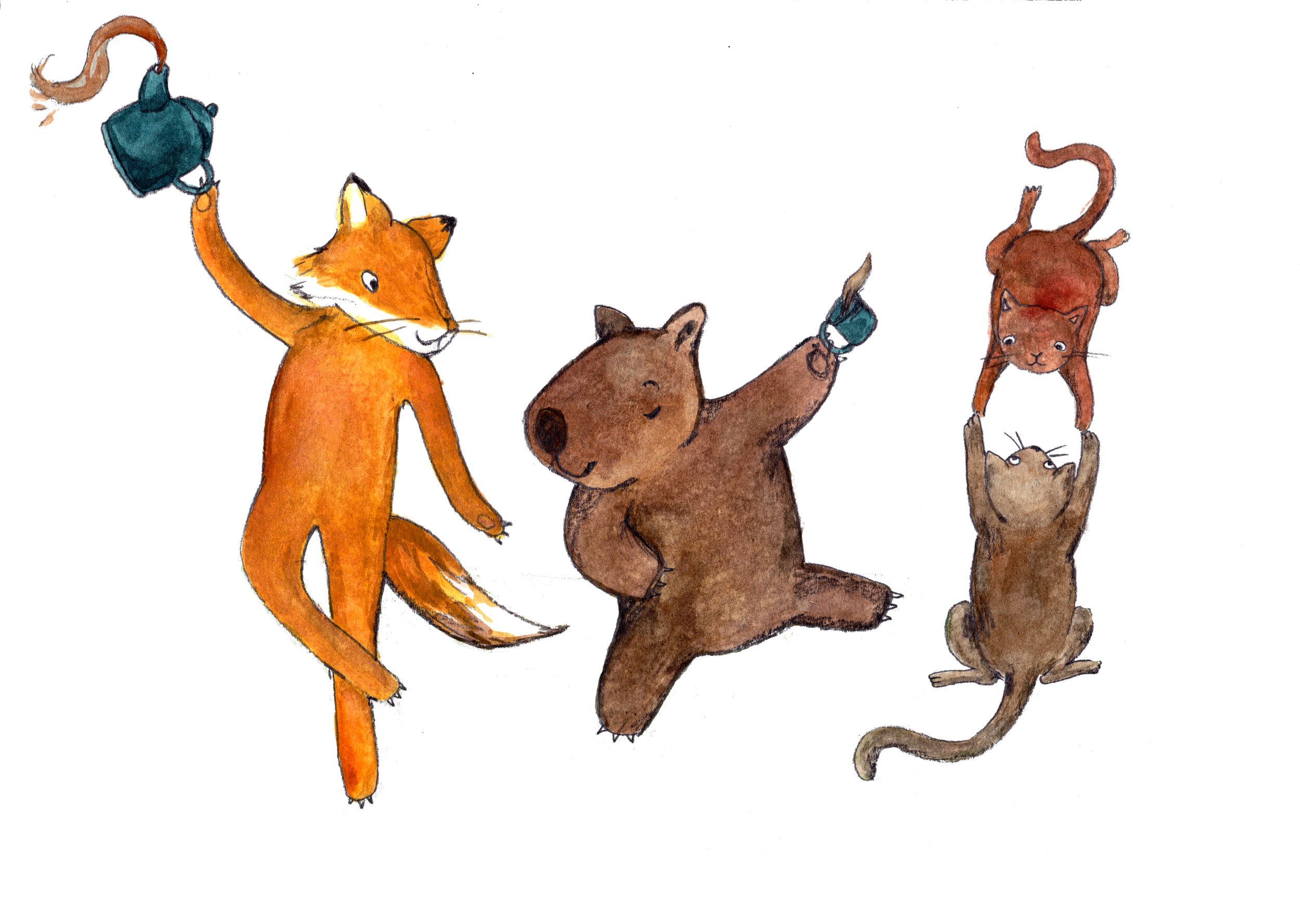
Steps
Want to listen to more folk music? Here’s a few of our favourites.
Paradidle